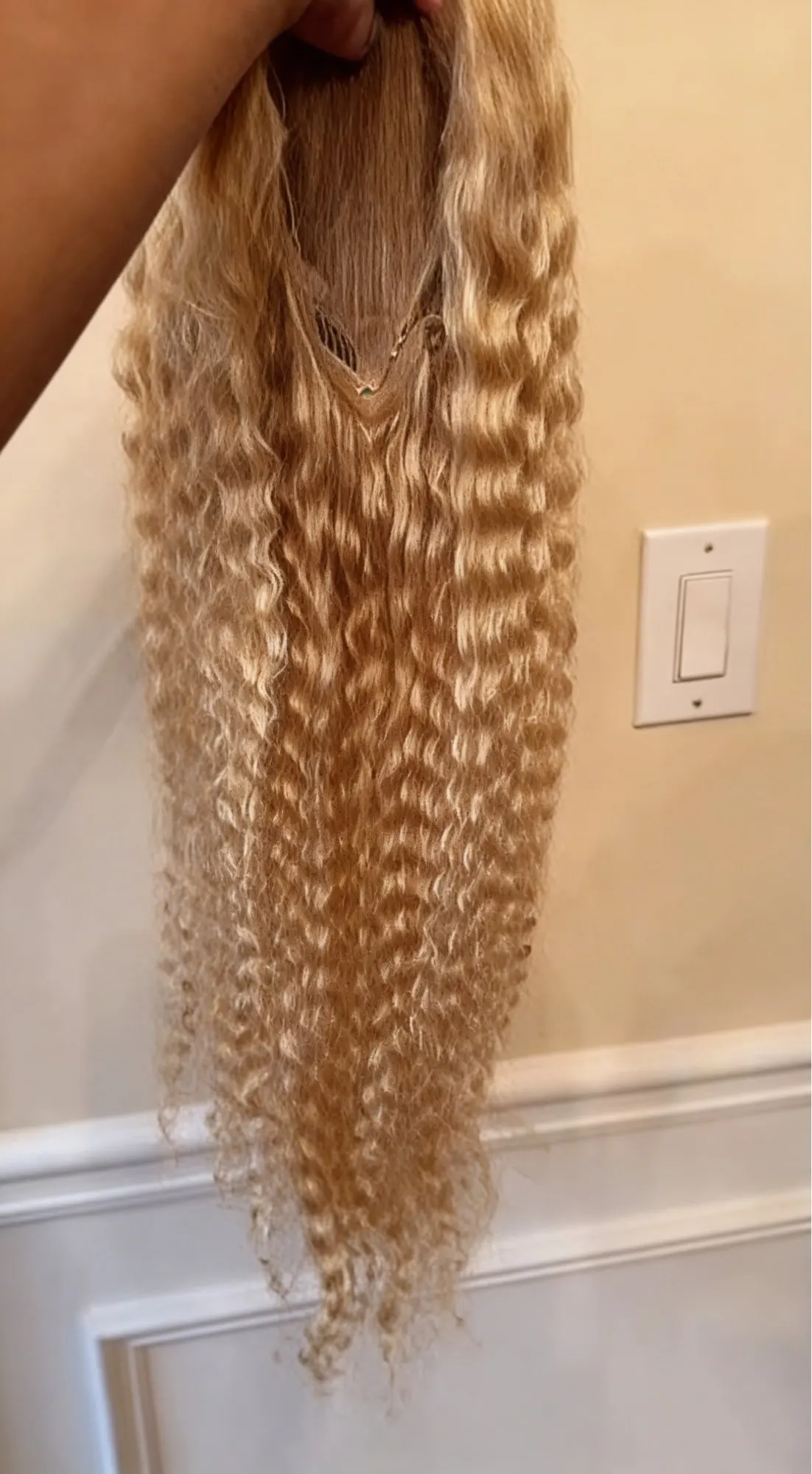
The Environmental Impact of Wig Production and Sustainable Alternatives
In recent years, the demand for wigs has surged globally, driving an industry primarily focused on human hair and synthetic alternatives. While wigs offer versatility, style, and an alternative to traditional hair styling, it's imperative to understand the environmental footprint associated with wig production and explore sustainable options for eco-conscious consumers.
The Environmental Cost of Wig Production
The production of wigs, especially those made from synthetic materials, involves processes that can considerably impact the environment. Synthetic wigs, made from plastic fibers such as acrylic and polyester, contribute to the pollution crisis due to their non-biodegradable nature. The production process often utilizes petroleum, resulting in emissions of greenhouse gases and other pollutants.
Human hair wigs, while seemingly a more natural option, are not without their environmental challenges. The treatment of human hair to meet industry standards involves heavy chemical processing. This can result in the release of toxic substances into waterways and soil. The sourcing of human hair often leads to ethical concerns as well, with reports of exploitation in the supply chain.
Exploring Sustainable Alternatives
To combat the negative impacts associated with traditional wig production, the industry is gradually moving towards more sustainable alternatives.
- Ethically Sourced Human Hair: Choosing wigs made from ethically sourced human hair can make a significant difference. Opting for products that guarantee fair trade practices and environmentally conscious processing methods contributes to a more sustainable choice. Consider the Human Hair Wigs collection from Restful Hideout, where ethical sourcing is prioritized.
- Eco-Friendly Materials: The development of wigs from biodegradable materials is another promising avenue. Innovations in bioplastics and natural fibers like bamboo or organic cotton offer eco-friendly alternatives without compromising on style. While still emerging, these materials have the potential to drastically reduce the environmental impact of wig production.
- Recyclable Wigs: Look for wig brands promoting recycling programs. By recycling old wigs, consumers can help minimize waste and support a circular economy.
Sustainable Choices from Restful Hideout
Restful Hideout provides a selection of ethically produced human hair wigs, allowing consumers to make informed choices that align with their environmental values. For example, the Blonde Lace Frontal Wig 13X6 Body Wave Human Hair Wigs and the 27# Honey Blond 13x4 Body Wave Lace Frontal Human Hair Wigs are designed with quality and sustainability in mind, providing stylish options with a conscience.
By opting for sustainable wig choices and supporting brands committed to ethical practices, consumers can enjoy the benefits of innovative styling without compromising the health of our planet. To explore more about eco-friendly wig options, visit Restful Hideout.
Together, through mindful choices and by supporting sustainable innovations, we can mitigate the environmental impact of wig production and foster a greener future for the fashion and beauty industries.